The fraud that saw the future
Enron Broadband Services described today's internet years before it arrived. It did not build it.
- In 1997 Enron bought Portland General Electric and, with it, a small fiber business that became Enron Broadband Services (1, 2).
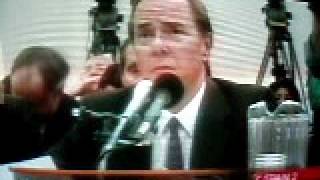
- On January 20, 2000 Skilling told analysts EBS had "already established the superior broadband delivery network" and valued it at $30 billion (3).
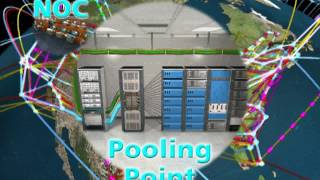
- The Broadband Operating System at the heart of the pitch "was never embedded on Enron's network" (4).
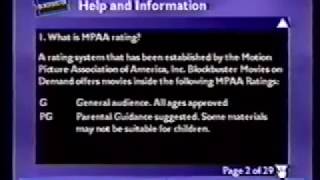
- A 20-year Blockbuster movie deal generated no revenue, yet Project Braveheart turned it into $53 million of EBS's $63 million fourth-quarter 2000 revenue (5, 3).
- Enron lost all of the more than $1 billion it put into EBS; in the third quarter of 2001 EBS reported revenue of minus $125 million (6, 7).
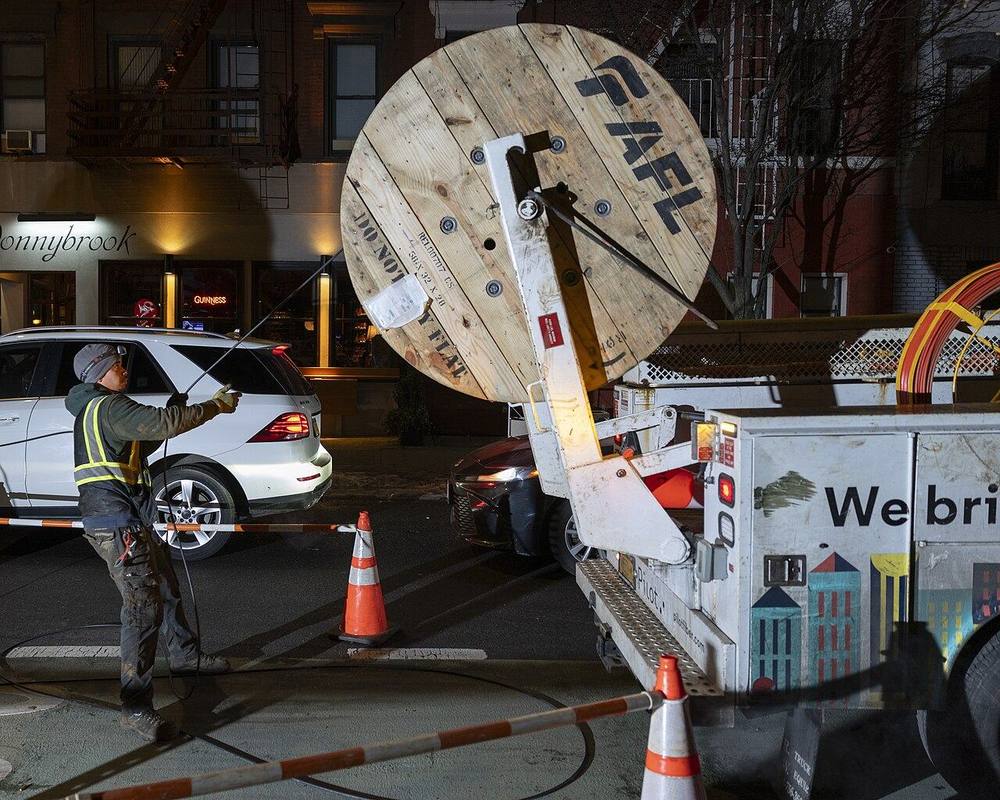
- Its fiber and a Las Vegas building were sold out of bankruptcy for a fraction of their cost; by DCD's account the building became Switch's first data center (8, 9, 10).
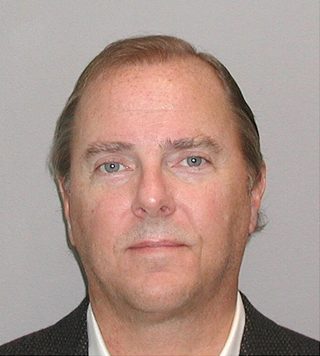
In 1997 Enron bought an Oregon utility and, with it, a small fiber-optic business that it grew into Enron Broadband Services (EBS) (11, 1). At its January 20, 2000 analyst conference Jeff Skilling said EBS had "already established the superior broadband delivery network" and valued it at $30 billion, which he called "conservative" (3). Enron's stock went from $54 to $72 within two trading days (12, 11). EBS lost $60 million in 2000 on $408 million of revenue that leaned on one-off fiber sales and a movie deal booked in advance, then $494 million in the first nine months of 2001 (13, 7). Enron lost the entire $1 billion it had put into the unit, according to the federal appeals court that upheld Skilling's conviction (6). Prosecutors charged seven EBS executives. Five eventually pleaded guilty, including Kevin Howard after his conviction was overturned; Michael Krautz and Scott Yeager were acquitted, Yeager after a Supreme Court ruling on double jeopardy (14, 15, 11).
The question behind this piece is whether Enron Broadband, like it or not, sits at the basis of the fast internet we use today. The record supports a narrower answer. The ideas were right and early: video on demand over the internet, servers at the edge of the network, data storage sold as a service, a market price for bandwidth. Enron announced versions of all of them between late 1999 and early 2001 (1, 13, 16, 17). But it did not have the technology it described. The unit's chief executive pleaded guilty to claiming that its network control software was "up and running" when it "had not progressed beyond the internal development stage" (18).
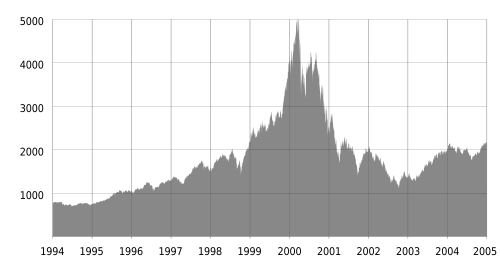
What survived was physical. Enron's fiber, equipment and a Las Vegas building were sold out of bankruptcy for a fraction of their cost (8, 2, 9). That building became the core of Switch, the Las Vegas data center company, which was taken private in 2022 for about $11 billion including debt (10, 19). The wider fiber glut of 1999 to 2001, to which Enron's own build-out of thousands of miles added (20), left cheap capacity that Google was reported to be buying after the crash (21, 22, 23).
So the honest version is this. Enron Broadband was a fraud wrapped around a correct forecast. Its ideas reached the market years later, through other companies, on infrastructure that a bubble had overbuilt.